Indoor Courts Spotlight: Era Pickleball’s Best-kept Secrets
@landensuaq872
September 30, 2026 · 16 min read
When you walk into an Era Pickleball facility, the air carries a quiet hum of energy, a mix of sneakers squeaking on polished floors and the soft thud of a plastic ball kissing a paddle. It’s not just a building with walls and nets; it’s a carefully tuned environment where a sport that grew from neighborhood pick-up games has matured into a discipline that rewards both precision and pace. Over the years I’ve watched players of every level arrive with a mix of curiosity and trepidation, only to leave with a story about a particular court, a specific spray of varnish on the floor, or a ritual they’ve developed for serving. Era Pickleball’s indoor courts, in particular, have earned a reputation for consistency, community, and a certain knack for turning a casual afternoon into a game that sticks with you.
If you’re scouting for a place to play, practice, or simply observe the craft in motion, the indoor courts at Era Pickleball offer a compelling blend of accessibility and ambition. The following observations come from multiple seasons spent on their floors, watching players navigate the same well-lit lanes, the same dependable bounce, and the same subtle textures that differentiate a good session from a great one.
Size, lighting, and climate control
Indoors at Era Pickleball, you don’t have to worry about wind or sun inside the facility. The first impression is functional: courts aligned with generous space between lines and ample run-off at the baselines. The lighting, while bright enough for precise dinking and quick net play, avoids glare on the surface. It’s the kind of illumination that makes quick reaction reads possible without casting disorienting reflections off the ball as it arcs toward your body.
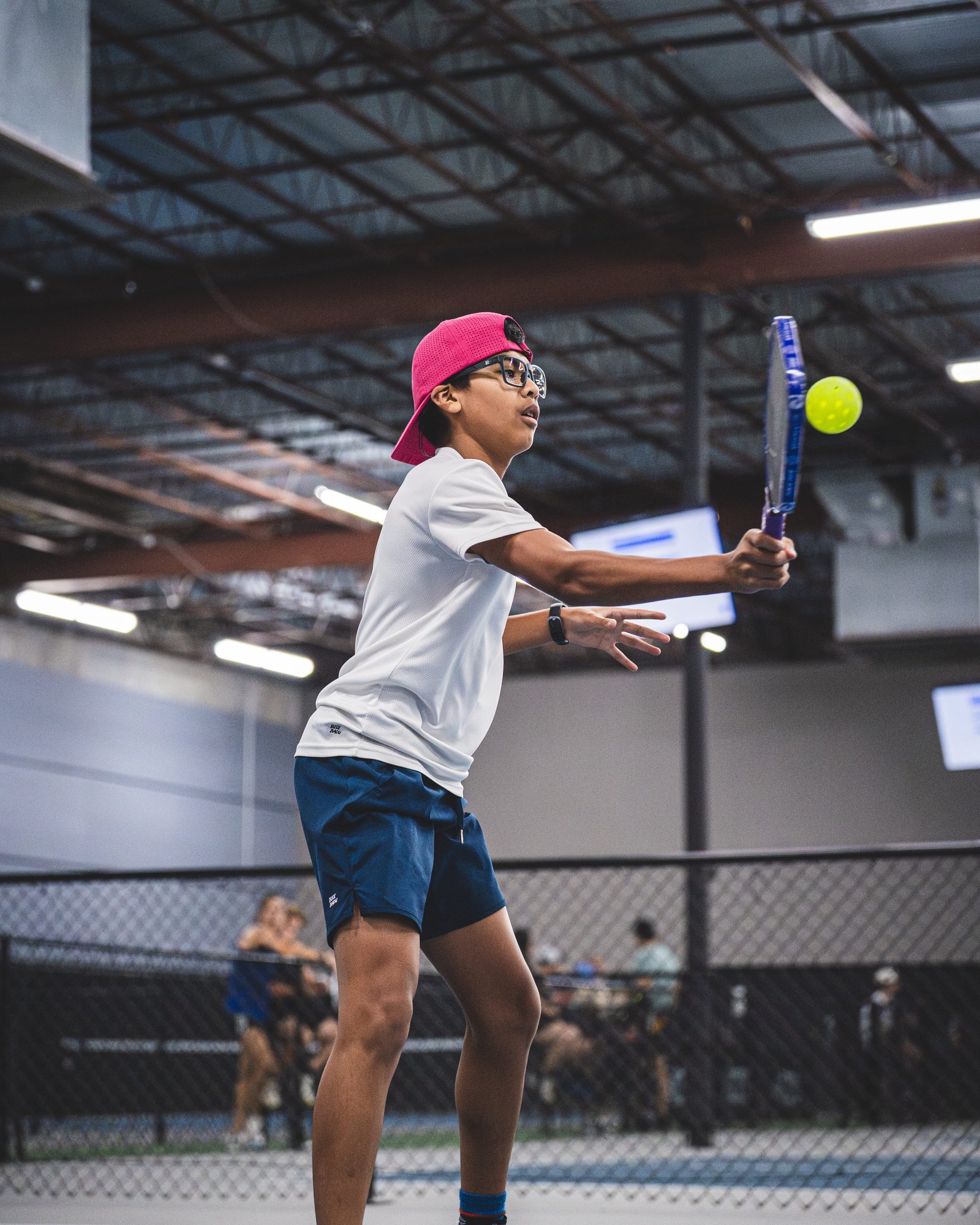
A clean, climate-controlled environment matters, especially when you’re practicing aspects of footwork that demand short, sharp bursts followed by stable base work. The floors themselves are designed to strike a balance between grip and slide, not so sticky that your pivots feel hindered, and not too slick that cross-court shots become guesswork. In practice, you’ll notice that the surface yields a consistent bounce across the court, a critical factor when you’re trying to time a kitchen-to-dink transition or gauge the speed of a sagging return.
Layout and flow
Era Pickleball facilities typically structure multiple courts in a way that channels energy without creating bottlenecks. The entrances tend to be near the center of the building, so late arrivals don’t clash with ongoing rallies in a way that disrupts the rhythm of players who’ve already settled into a match or drill. The corridors between courts double as informal observation stands, letting players study technique from a few steps away without entering the flow of play. It’s a subtle design choice, but it matters when you want to watch a session without becoming a distraction or when you’re trying to loop in a friend who’s new to the sport.
The court lines themselves are crisp, easy to read from a distance, and well kept. You’ll notice maintenance routines that seem almost ceremonial—re-lacquering the surface in quiet cycles, re-stenciling the boundary lines after a batch of heavy use, and monthly checks to ensure there are no loose floor patches that could trip a player. All of this matters because a reliable surface reduces variability in shot bounce and allows coaches to describe technique with fewer caveats.
Coaching culture and community
What sets Era Pickleball apart in practice is how coaching threads through the daily rhythm without becoming a cloistered program. You’ll see a spectrum of involvement: casual clinics before and after work hours, structured ladder leagues on weekends, and open play sessions that welcome curious newcomers to try a few rallies with a more experienced partner. The coaching philosophy tends to emphasize fundamentals—proper grip, contact point, paddle face angle—but also respects the improvisational nature of the game. Players who lean into a guide role frequently offer quick, concrete pointers to beginners, which in turn builds a sense of shared responsibility for keeping rallies clean and enjoyable.
The community aspect can be felt as soon as you walk through the door. It’s not just the loudest or strongest players who command attention; it’s the player who reserves a lane to practice a new drop shot, or the member who shows up with a friend who’s never held a paddle and leaves with a handful of basic drills. Era facilities encourage this inclusivity with dedicated open-play windows, friendly check-ins at front desks, and a culture that rewards effort and curiosity as much as wins.
Equipment and maintenance
Surface, nets, paddles, and balls all play a role in shaping the feel of an indoor session. The nets at Era are sturdy and quick to adjust, a small but meaningful detail when you’re juggling doubles positions and want to prevent the frustration of a sagging net mid-rally. The balls are the familiar polymer often used in competitive play, balanced for a predictable bounce, not overly lively that they feel like they’re out of control, and not so damp that the pace reduces your ability to attack the kitchen.
From a maintenance vantage point, Era’s staff tends to treat the floor with care that translates to performance during peak hours. You’ll notice that the court lines stay bright and intact even after a week of high-use days. The paddles on loan are typically of reliable quality, with fresh grips or replacements available when players notice that their preferred hinge or grip circumference is wearing down. This kind of practical attention makes it easier for players to focus on technique rather than fidgeting with equipment.
What makes indoor play click
In almost every indoor season I’ve observed here, certain threads emerge as indicators of success. First, players who commit to a routine that blends drills with live play tend to adapt more quickly to the indoor environment. This means dedicated practice blocks—do a short drill, then transition to a two-on-two rally that forces you to implement what you just learned. The cadence matters: a steady tempo that keeps rallies alive while allowing time to adjust position and footwork. Second, you see improvement when players track a simple metric, such as shot placement or rally length. Even a modest record of improvements—say, moving from an average rally length of five to seven shots over a couple of weeks—creates tangible motivation. Third, regulars who stay curious about court geometry work out smarter movement patterns. They don’t just chase the ball; they read the court, anticipate the opponent’s intention, and choose shots that set up the next movement rather than merely responding to an immediate ball.
The secret life of a drop shot
A standout feature of Era’s indoor play is the emphasis on the drop shot as a strategic tool rather than a flashy flourish. In many gyms the drop is treated as a risky, splashy shot to be pulled out only in desperation. In Era facilities, the drop is a patient weapon. You’ll notice players who understand how to disguise the drop by pairing it with a quick lateral retreat to the kitchen line, or by following it with a swift cross-court drive that presses the opponent back. The key is balance—learn to generate enough pace on the drop to keep your opponent honest, while maintaining a high level of control in the paddle face and contact point.
From practice to competition
There’s a discernible arc that takes a player from casual open play into more structured competition at Era. The transition often begins with a small commitment: commit to a weekly drill session, join a ladder or social league, and then add a short series of match play days. The ladder, in particular, creates an accessible pathway for players to measure progress and gain exposure to different playing styles. It isn’t just about climbing ranks; it’s about developing a mental map of how to respond to varied opponents, how to conserve energy for the later stages of a match, and how to adjust shot selection when the pressure ramps up.
Beyond the basics, you begin to hear more nuanced talk about strategy. You’ll hear players discuss when to climb the net for a put-away volley versus when to stay back and pressure the backline with cross-court driving shots. You’ll hear coaches emphasize the importance of control over speed, teaching that a slower, precise shot that lands in the opponent’s kitchen can win a point more reliably than a blistering rally that ends in a mis-hit. This kind of strategic literacy doesn’t happen overnight, but it accumulates with practice and thoughtful play.
The economics of indoor pickleball at Era
For many players, the decision to invest time and money into indoor pickleball comes down to value. Era facilities balance affordability and quality in a way that makes regular practice feasible for a broad range of players. Membership options, trial sessions, pickleball tournaments near me and class bundles create flexibility. You’ll also see a tiered pricing approach for court time that rewards members with favorable rates during off-peak hours. This structure encourages players to spread their hours across early morning, midday, and evening blocks, which in turn keeps court availability steadier during peak times.
One practical consideration is the cost of access to coaching. If you’re in the market for advanced technique sessions or video analysis, Era’s coaching staff can offer value that justifies the expense, provided you’re committed to a disciplined practice schedule. A typical coaching arrangement might involve a weekly session of 45 to 60 minutes, plus optional video feedback and a few targeted drills you can perform on your own. The returns show up in improved consistency on serves, better net play, and a more deliberate approach to shot selection.
Finding the right Era Pickleball facility near you
If you’re searching for “Era Pickleball near me” or “pickleball near me Era Pickleball,” you’re likely seeking a balance between proximity and quality. The Era footprint has grown across several urban markets, but the most meaningful differences often lie in the specific staff, the local coaching culture, and the way a given facility cultivates community. A near facility may have three to four courts with a robust schedule of open play and clinics, while a larger campus might offer additional amenities such as a dedicated pro shop, a small café, and more elaborate social events.
My own approach when evaluating a new Era site is practical and human. I look at four things: first, is the court surface consistent and well maintained, with crisp lines and a net system that doesn’t sag during a critical point? Second, is the staff approachable and knowledgeable, capable of answering basic questions about grip, stance, and shot selection without turning every interaction into a sales pitch? Third, does the facility offer a coherent practice pathway—an accessible set of drills, a predictable league schedule, and a way to measure progress over time? Finally, does the atmosphere feel welcoming to beginners without marginalizing more advanced players? Across the board, the best Era sites strike a balance between efficiency and warmth, a place where a newcomer can feel comfortable testing a new shot and a more experienced player can chase a hard-hitting, well-executed rally.
A few practical tips for speedier improvement
If you’re aiming for meaningful improvement within Era Pickleball’s indoor environment, a handful of practical habits help. First, dedicate a block of time to footwork drills that emphasize efficient pivots and minimal wasted movement. The kitchen is a pressure zone, and you’ll spend a lot of time there if you’re a strong defender or a strong baseline player. Second, pair your practice with targeted shot work. For example, set a goal to land five consecutive drops from the kitchen on one side of the court, then switch to five precise cross-court drives to the back corner. Third, schedule a weekly session with a coach who can provide direct feedback on grip and stroke mechanics. A good coach can spot a tiny misalignment—a slight tilt in the paddle face at contact—that, if left unchecked, leads to inconsistent returns. Fourth, track your rally length and shot variety. A quick notebook or a notes app can help you identify patterns in your play, such as how your backhand dink compares to your forehand in terms of accuracy and pace. Fifth, embrace the cadence of the indoor season. The rhythm of a winter or early spring schedule often means tighter courts and faster transitions; learning to adapt to that tempo is a skill in itself.
Two short checklists that can fit into your practice routine
-
Pre-practice focus 1) Check the court for any wear or hazards, then warm up the ankles, hips, and shoulders with a five-minute mobility routine. 2) Do a short serve progression to ensure your contact point and paddle face angle feel stable. 3) Choose one technical objective for the session, such as improving a drop shot or refining a serve return. 4) Set a loose target for the first 15 minutes of rallying, then adjust as needed. 5) Briefly review your plan with a partner or coach if possible.
-
Post-practice reflection 1) Note which shot decisions felt most reliable and which were less predictable. 2) Record one or two small adjustments to your stance or grip that you can practice next time. 3) Log your rally length and the variety of shots you used in a match or drill. 4) Save a quick mental cue to carry into your next session, such as a reminder to keep your paddle chest-high on contact. 5) Plan your next practice block around the objective you want to tackle.
Edge cases and what to watch for
No venue is perfect, and Era Pickleball facilities are no exception. If you’re visiting a new location and notice that the court surfaces feel uneven or that the lines have faded noticeably, you’re dealing with a maintenance variance that can affect your session. It’s worth a quick conversation with staff to understand the maintenance cycle and whether there are particular times when courts are resurfaced or re-lined. If you’re a player who thrives on a fast-paced energy, you might find that some days the indoor climate feels a touch warmer or cooler than your comfort range. In those moments, layering your clothing and adjusting the timing of your practice around the day’s climate conditions can keep your performance steady.
From a coaching standpoint, the edge cases worth acknowledging include players who push too hard to improve too quickly. The sport rewards aggression in tempo and shot variety, but it punishes impatience with poor preparation. If you see a student or a peer who looks fatigued or overly tense, it’s reasonable to remind them that quality practice requires convenient breaks, hydration, and a focus on technique over sheer power. It’s not glamorous, but it’s how you sustain improvement over a season, especially indoors where collisions between discipline and momentum are amplified by the controlled environment.
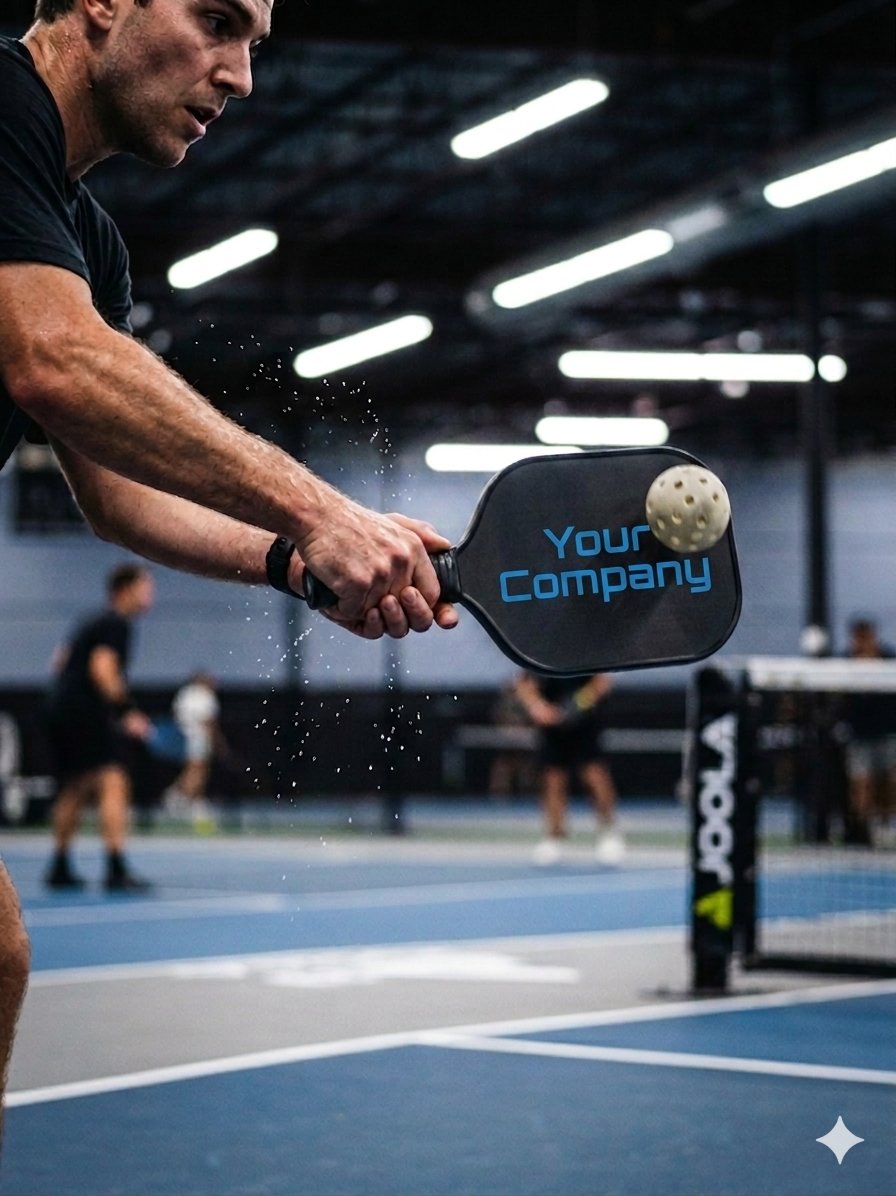
A few real-world moments that crystallize what Era indoor courts bring to the table
I recall a weekend session where a mixed doubles pair, both relative newcomers to the sport, arrived with a handful of nerves and a lot of curiosity. They were drawn to Era Pickleball primarily because of the promise of accessible coaching and a friendly ladder system. Within two hours, they had learned the basics of the grip, the correct contact point, and the first practical dink drill that could be replicated at home. They did not leave as masters, but they left with a plan and a sense that they could grow in a supportive environment. Moments like that happen frequently enough to feel like a pattern: the indoor court as a training ground for individuals who want more than a casual afternoon—it becomes a place where people commit to a path of improvement.
On a different day, a more seasoned player adapted to a new partner in a doubles ladder, adjusting to a different on-court rhythm and learning to pace rallies so that their partner could keep up. The lesson here is not just about technique; it’s about communication and shared strategy on a court where every bounce counts. In another session, a coach demonstrated the value of a deliberately slower, more controlled approach to the third shot drop. The student learned to read the court more accurately, predict the opponent’s movements, and use the pace of the rally to their advantage rather than simply outrunning their opponent.
The future of Era Pickleball’s indoor spaces
As the sport continues to scale, Era Pickleball will likely face the same tensions that accompany growth: maintaining a high standard of court quality while expanding access; balancing open play with structured coaching; and preserving a sense of community in larger facilities. I expect to see continued emphasis on staff development, with more coaches trained to deliver nuanced feedback that’s actionable for players across skill levels. The best sites will likely experiment with hybrid programs that blend in-court coaching with digital tools—video analysis captured in real time, quick feedback loops, and data-informed practice plans that players can review after a session.
Community events will also evolve. Expect more social play nights that cultivate relationships beyond the baseline and kitchen. Look for more family-friendly programming that makes the sport approachable for younger players while still offering depth for adults who want to refine technique. And naturally, the indoor-court experience will continue to lean on reliability: predictable bounce, consistent wall-to-wall lighting, and a well-calibrated climate that makes every rally feel like it belongs to a shared standard of play.
Final thoughts
Indoor courts at Era Pickleball are not just a place to play; they’re a proving ground for the craft. They reward discipline, encourage curiosity, and create a sense of belonging that can be hard to find in other recreational environments. The best sessions feel like a conversation between you and the court, a back-and-forth that sharpens your instincts while protecting your joints and your time. The facilities are designed to support a broad spectrum of players—beginners who are discovering the joy of a well-executed dink, and veterans who want to push the boundaries of speed and control.
If you’re considering a new place to play or practice, the Era indoor courts deserve a closer look. Seek out a facility that matches your goals—one with a robust coaching schedule, a friendly, knowledgeable staff, and a setup that makes your practice feel more like a deliberate art form than a casual pastime. You’ll know you’ve found the right spot when a single rally carries a sense of purpose beyond the immediate point, when the sound of the paddle meeting the ball becomes a familiar soundtrack to your improvement, and when you walk out with a plan for the next session instead of simply hoping for better luck. In those moments, the indoor courts of Era Pickleball stop being a venue and become your own space to grow as a player, a teammate, and a member of a community that treats every rally as a chance to learn something new.