erapickleball.com pickleball training: Performance-Based Training Modules
@landensuaq872
September 30, 2026 · 17 min read
The first time I watched a student chart their own improvement, it wasn’t with a flashy spin or a perfect drop shot. It happened when a midcourt rally stretched beyond the usual 4 or 5 shot exchanges and the athlete stayed calm, adjusted tempo, and found a reliable shot that began to define the session. That moment is the quiet heartbeat of performance-based training in pickleball. It’s not about chasing the latest trend or stacking drills until fatigue sets in. It’s about designing a path that connects movement, decision making, and athletic skill in a way that players can feel in their bodies and see on the scoreboard.
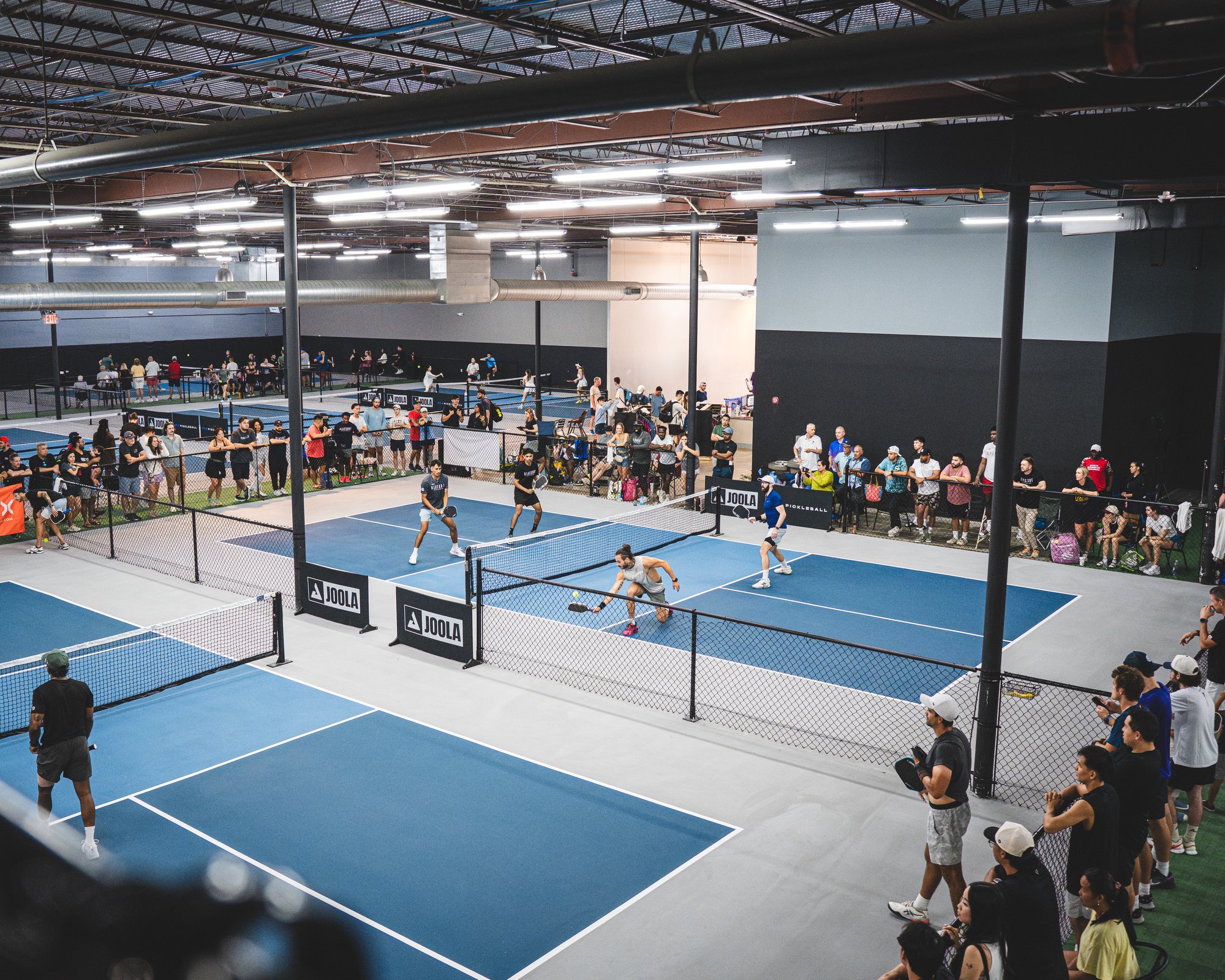
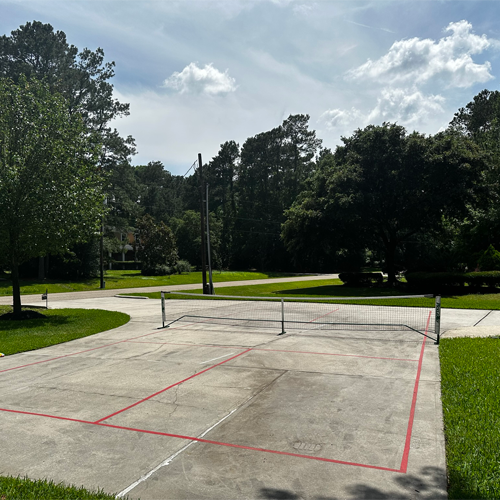
Era Pickleball pickleball classes and programs exist in a crowded field. What sets erapickleball.com apart is a deliberate emphasis on measurable progress rather than glossy outcomes. The coaching philosophy leans into the realities of the sport: the speed of the ball is high, the angles are sharp, and the court rewards clarity of intent more than sheer effort. The training approach combines sport science concepts with the practicalities of court-level play. The result is a framework that allows players to see, over weeks and months, how their habits evolve, not just their score lines.
A performance-based model starts with questions players can answer in real time. What is your goal for the next drill? Which shot needs the most work this week? How do you know you improved in a quantified way? These aren’t rhetorical prompts; they become a blueprint guiding every practice. The era of guesswork is over. In its place is a clear map of what to train, how to measure it, and when to adjust the route.
Grounded assessment forms the backbone of the program. Early on, players are evaluated not only on their current skill set but on decision making under pressure. A drill may look simple on the surface, but the real test is whether a player can adapt to a changing rhythm, a shifting target, or a different opponent style. From there, the plan branches into modular components that map neatly onto real match situations. The true value lies in the bridge between a controlled drill and a dynamic match scenario because that bridge translates to confidence on game day.
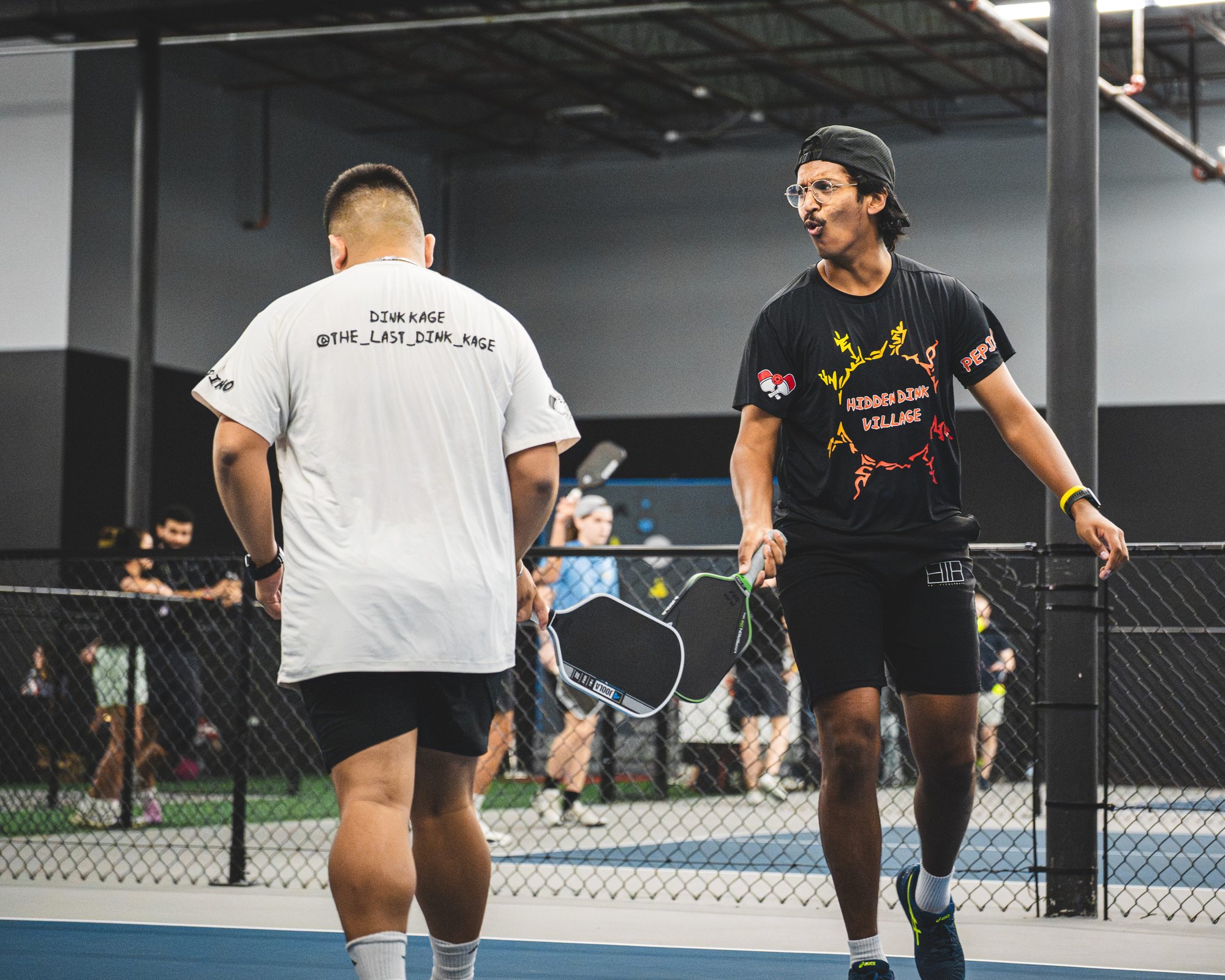
The value of a well-structured program lies in consistency and transparency. A player should know what is expected at every stage, what success looks like in each phase, and how to adjust when life intrudes on practice time. The best training modules I’ve seen in the era pickleball coaching ecosystem balance three elements: progressive loading, clear metric feedback, and strategic variation that keeps the brain engaged even when the body is tired. Without all three, you end up with a routine that yields limited progress or, worse, a plateau that feels permanent.
In practice, performance-based training within era pickleball courses is less about fancy gear and more about disciplined planning. It’s about how to structure time on the court so that every rally has a purpose. It’s about how to translate a great drill into a repeatable skill. And it’s about how to respect the fact that different players have different consolidation rates. Some students respond to volume and repetition; others gain ground when the cognitive demand of a drill increases. A robust program accommodates those individual differences without drifting into chaos.
The first major shift you’ll notice in coaching with this approach is specificity. A session isn’t a bag of drills tossed together to look impressive. It is a sequence with a single, measurable objective. If your goal for the day is to improve your backhand crosscourt drive under pressure, the entire session orbits around that objective. You’ll see warmups calibrated to the objective, practice phases that micro-target the mechanics of the stroke, and finally pressure drills that test the transfer of skill to a live rally. The tempo is deliberate, the feedback immediate, and the reset quick when the performance indicators reveal that progress is being made.
This approach clashes with the old school mindset that treats practice time as precious only if it feels intense. The reality is that intensity matters, but only when it’s tethered to a plan. The best training crews balance effort with clarity. They give players a clear sense of what good looks like, then allow the body and mind to converge toward that standard through repetition, feedback, and purposeful variation. By anchoring every session to demonstrable progress, you create momentum that players can feel across weeks, not just within a single session.
A key feature of performance-based training is its modular structure. Modules can be combined like building blocks to respond to a player’s evolving needs. Suppose a player excels in serving tempo but struggles with transition to the non-volley zone. The coach can sustain the tempo work while weaving in targeted transition drills that preserve the racket timing and foot speed without overwhelming the learner. The result is a personalized curriculum that scales with ability and motivation rather than collapsing under the weight of a one-size-fits-all regimen.
The practical reality is that a training plan is not a single document pinned to a corkboard; it is an evolving conversation between player, coach, and data. In the best programs, the coach stores a compact but rich log of performance metrics, session notes, and subjective impressions. Players, in turn, bring their own metacognitive observations: how they felt their feet under pressure, whether a new shot felt like a habit forming, and how their energy levels fluctuated during the session. The collaboration creates a living map, one that guides adjustments and new targets with the patient, careful care of someone who understands that progress rarely looks dramatic in the short term but compounds meaningfully over months.
In this framework we treat drills as tools, not goals. It’s easy to mistake the drill for the end game, but the drill should exist to illuminate the pathway to a more effective rally. A back-and-forth rally drill is not merely practice for the sake of repetition; it’s a test of court sense, shot choices, and stamina. When the drill is completed, players reflect on the decisions they made, the errors that occurred, and the adjustments that followed. The tape isn’t rented to rub in mistakes; it is a mirror that shows where decisions diverge from desired outcomes. The best training programs encourage that reflective habit as a skill in its own right, a habit that translates into better performance during late-game pressure.
A performance focus also fosters accountability and a sense of ownership. When players can point to a measurable improvement—say, a reduced average rally length on the backhand slice or a higher percentage of successful approach shots—motivation grows. They begin to understand that progress isn’t a mystic side effect of practice; it is the predictable result of how smart the practice is. The coach becomes less a taskmaster and more a partner guiding a player toward that predictable outcome. The dynamic is relational as much as it is technical. Trust grows when players experience that the coach’s signal, the drills, and the feedback points all align with real on-court outcomes.
Time efficiency matters in any coaching program. The reality of many players’ lives is a handful of practice hours each week, sometimes squeezed between work, family, and travel. Performance-based modules honor that constraint by prioritizing quantity of quality: shorter, sharper sessions with clearly defined outcomes, followed by succinct, actionable takeaways. It’s not about cramming more reps into a session; it’s about ensuring that every rep counts toward a concrete skill or decision. This discipline pays off on court when fatigue becomes a factor and clarity of intent remains intact.
In the era pickleball training space, you will also encounter two common tensions. First, the desire for flashy, game-like intensity versus the patient, incremental gains patients require. A level set with this approach means accepting that some gains arrive in bulky leaps, while others arrive in patient, almost unglamorous increments. The second tension centers on data versus intuition. There’s a hunger for metrics that feel meaningful, and rightly so. But data without context can mislead. A coach who pairs objective metrics with qualitative observations—feel, biomechanics, and strategic choices—creates a more robust picture of progress. The best programs manage this tension with humility, acknowledging what is measured well and what remains a work in progress.
To understand how performance-based training translates into tangible results, consider the everyday realities of a typical pickleball player. A player might be strong at serving, volleying near the net, and defending deep in the court, but still struggle to close out tight games when the pressure ratchets up. The coach’s job is to orchestrate a sequence where that same player can replicate the successful patterns under pressure. It means implementing drills that simulate late-game scenarios, offering psychological anchoring strategies like breathing cues and visual focus routines, and providing feedforward cues instead of only feedback after errors. The goal is not to punish mistakes but to guide the learning process so that the correct decision becomes a habit even when the nerves are lighting up.
One of the practical advantages of a modular framework is how easily it adapts to different levels of play. Beginners can benefit from a baseline that emphasizes correct footwork, balance, and stroke mechanics, while intermediates and advanced players can be challenged with more complex decision matrices and higher tempo drills. The adaptability is not abstract; it is revealed in weekly progress snapshots, updated training targets, and a visible shift in how players approach each rally. You will see a beginner’s confidence rise as their feet find the rhythm of the court, then a more advanced player shifting from pure consistency to precision under varied speed and spin.
The coaching relationship in this model becomes a continuous loop. The coach designs a module or a cycle, the player commits to it with deliberate practice, the data comes back in, and the cycle restarts with refinements. It is a disciplined conversation, not a one-way drill factory. In practice the feedback is immediate and actionable. You might hear a coach say during a session, make these three adjustments on your paddle face at the contact point, then observe how your trajectory changes. The player repeats the adjustment, notes the result, and you have a direct thread from instruction to improvement.
Era Pickleball's training ecosystem also recognizes the role of recovery and injury prevention as non-negotiable components of performance. High-quality practice pushes the body to adapt, but it does so with an eye toward sustainable effort. The modules incorporate smart load management, respect for rest when fatigue accumulates, and a plan for progression that does not force a breakthrough before the body is ready. Recovery is not an afterthought; it is a design feature. A well-structured week may include technique blocks, tactical ranges, and a recovery day dedicated to mobility work, light cardio, and gentle variation of movement patterns. This balanced approach helps prevent common injuries and keeps players on the court longer, performing with that confident polish that distinguishes solid players from consistent contenders.
The broader pickleball coaching community often circulates stories of drills that looked brilliant on paper but left players overwhelmed or burned out. A key lesson from those misfires is the importance of pacing. A professional program that respects the learner’s bandwidth will offer a deliberate pace, with optional intensification paths for when the student is ready. The best modules present a menu rather than a rigid prescription. A seasoned coach can present three options for a given objective and invite the player to choose the path that best fits their current energy, confidence, and time constraints. That flexibility is what makes the difference between a program that yields steady, reliable growth and one that becomes a treadmill of hard work without meaningful destinations.
In terms of tangible outcomes, players who train with these modules regularly report not just better shot accuracy or improved rally length, but a more strategic understanding of when to risk and when to conserve energy. They begin to see patterns in their opponents’ play, recognize the telltale seams in a spin serve, and anticipate ball trajectories with a sharper sense of timing. The ability to translate practice into match sense—this is where performance-based training earns its keep. It is a qualitative shift as much as a quantitative one, a maturation of the player’s court vision, pace, and decision making.
If you are considering engaging with a pickleball coaching program that emphasizes performance-based training, there are several practical signs you can look for. First, the program should begin with a clear assessment and a documented plan that evolves over time. You should receive regular feedback that ties directly to measurable indicators, not just vague praise or generic corrective notes. Second, there should be a logical progression of modules that you can see reflected in the calendar, with explicit criteria for advancing to the next stage. Third, your coach should prioritize transfer of skill to real games, meaning you will practice with drills that resemble what you will face in a real match rather than simply performing flawless, sterile reps. And finally, you should feel supported in terms of recovery and pacing, with a realistic understanding of how much progress you can expect in Era Pickleball era pickleball a given timeframe.
The years I spent teaching in small clubs and larger academies have convinced me that the most effective programs are the ones that make progress audibly audible. By that I mean you hear accountability in the language coaches use, you hear curiosity in the questions players ask, and you hear a kind of practical optimism in the way they discuss future targets. It is not a quiet, patient hope. It is a tempered confidence that the plan is sound, the feedback is sharp, and the player’s growth is real.
To bring all of these strands together, here are a few practical guidelines you can apply if you want to build or evaluate a performance-based training pathway in era pickleball coaching:
- Start with a precise diagnostic. A half dozen tests or observations that reveal a player's strengths, weaknesses, and decision-making tendencies will anchor the entire plan.
- Build modularity into the program. Each module should address a core competency and be repeatable in different contexts. That way, you can mix, match, and intensify as needed.
- Tie practice to outcomes you can measure. Whether it is shot accuracy, success rate in pressure situations, or rally length under tempo, pick metrics that reflect on court performance.
- Create a narrative of progress. Players respond to a story about where they started, how they improved, and what the next milestone means for their game.
- Respect the pace. Do not force rapid advancement if the body or the mind isn’t ready. A sustainable pace yields longer, deeper gains.
In the world of era pickleball training, performance-based modules are not a new invention but a refined articulation of what good coaching has always been about: turning a passion for the game into persistent, observable improvement. The best programs make that translation seem almost obvious. A well-crafted module doesn’t promise miracles; it promises clarity, consistency, and a structured route from intention to execution to real competition. When players experience that journey, the court stops feeling like a stage where they simply react and starts feeling like a landscape they navigate with confidence.
Two concise reflections often emerge from players who stay the course. First, the quality of the practice determines the quality of the game that follows. It is not glamorous, but it is true: deliberate, targeted practice translates into cleaner rallies, quicker decision making, and the ability to stay calm when the score climbs. Second, growth is rarely linear. Some weeks bring noticeable leaps, others require patient refinement. The map remains the same, but the pace shifts depending on fatigue, the amount of practice time, and the opponent mix you encounter. If you want a blueprint that respects that reality, you need a program that is honest about both the potential and the limits of human capacity.
As you explore era pickleball training options, you may encounter a spectrum of approaches. Some programs lean heavily on analytics and biomechanical analysis, offering a data-driven, almost laboratory feel to practice. Others emphasize the art of the sport, focusing on rhythm, anticipation, balance, and the subtle cues that differentiate a great player from a very good one. The sweet spot lies where these strands intertwine, where precise measurements exist alongside a nuanced understanding of court sense and tactical timing. In the end, the best modules help players feel their improvement in real time and know exactly what to do next.
A word on coaching relationships. A successful collaboration rests on trust, clear expectations, and ongoing dialogue. The coach must be a guide, not a dictator, a mentor who helps players harness their potential while respecting their individual rhythm. The player, in turn, should engage with curiosity, be honest about what is not working, and commit to the small, meaningful steps that accumulate into real progress. When that partnership is strong, the gym becomes less about chasing a perfect drill and more about building a durable skill set that travels with you from the practice court to the competitive arena.
The training modules offered by era pickleball programs recognize that every player has a different entry point. A well designed plan will account for prior experience, athletic background, and the endurance profile of the learner. An experienced coach recognizes when a student would benefit more from foundational work in footwork and balance rather than more complex sequences that demand high cognitive loads. It is a matter of balance, not a single template. As players evolve, the plan evolves with them, always guided by the same principles: specificity, progression, and meaningful transfer to match play.
For players who value a strong sense of structure alongside creative on court tactics, performance-based training provides a framework that respects both science and craft. It rewards the learner who comes to practice with intention, the coach who translates intent into corrective feedback, and the game that offers constant opportunity to apply what has just been learned. In the end, the measure of success is not a single win or a flashy drill but a growing repertoire of reliable options under pressure, a more efficient movement system, and a sense that your best shot is one you can reproduce again and again when it matters most.
Key components you will encounter in a mature, performance-based module include targeted movement patterns, stroke construction with immediate transfer to rally context, situational drills that replicate real match conditions, cognitive loading to improve decision making, and recovery strategies designed to sustain progress over months rather than wear you down in weeks. The beauty of this approach is that it does not pretend every session will feel revolutionary. It recognizes that the deepest gains often arrive through quiet, consistent work that builds a robust skill foundation and a resilient mindset.
If you are a player looking to join a program, or a parent seeking a path for a younger athlete, here are two practical lists to keep in mind. These streams reflect the core priorities of a mature performance-based framework and help you evaluate what you are signing up for.
-
Core focus areas
-
Clear metrics and feedback
-
Progressive complexity
-
Realistic pacing
-
Emphasis on transfer to match play
-
Practical criteria for selecting a program
-
Transparent diagnostic and goal setting
-
Documented progression with milestone reviews
-
Emphasis on recovery and injury prevention
-
Coaches with hands on court experience and a thoughtful coaching philosophy
As you can see, the approach rewards both the patient, methodical learner and the student who thrives under a bit of challenge. The key is not to force a signature style or a quick fix, but to cultivate a practice habit that becomes a reliable engine for improvement. In era pickleball training, that is where the real value lies: in the ability to turn a theoretical concept into a repeatable, observable skill that translates beyond the court.
In closing, the discipline of performance-based training modules aligns with the best traditions of sport coaching while embracing the unique pace and demands of pickleball. It invites players to own their progress, to trust a method that respects both the science of movement and the art of competition, and to show up with a plan that makes each session purposeful. The result is not a single breakthrough but a sustained trajectory toward better rallies, smarter shot selection, and the steady development of a game that feels less like improvisation and more like confident execution. The court rewards such clarity with a patient, lasting form of improvement that players carry with them long after the final point has been scored.